Whether you’re renting out a cozy beach shack in Queensland or an apartment in Melbourne, safety is one of the most important aspects of running a successful short-term rental. But let’s be honest — navigating safety requirements and compliance can feel like trying to find your way through the Outback without a map.
Don’t worry, though! We’ve got you covered with this ultimate guide to short-term rental safety in Australia. Let’s dive in! 🚀
Why Safety Matters
Safety isn’t just about ticking boxes — it’s about ensuring your guests have a secure and enjoyable stay while protecting yourself from liability. A well-prepared property can save you from costly fines, bad reviews, or even legal trouble.
With new regulations and registration systems popping up across Australia, staying compliant is more important than ever. Each state has its own requirements, but one thing is consistent: safety is non-negotiable.
New South Wales (NSW) 🏠
Natural Disaster Risks
NSW faces significant bushfire, flood, and severe storm risks. The state experiences regular bushfire seasons and flooding events, particularly in coastal and inland areas .
Core Safety Requirements
- STRA Fire Safety Standard Compliance: All properties must meet mandatory fire safety standards for registration
- Smoke Alarms: Photoelectric smoke alarms required in all sleeping areas, hallways, and on each level
- Emergency Exits: Clear, unobstructed evacuation routes with visible signage
- Fire Extinguishers: Minimum 1kg dry powder extinguisher, easily accessible
Natural Disaster-Specific Measures
- Bushfire Preparation: Properties in bushfire-prone areas must have:
- Ember-resistant building materials
- Cleared defensible space (minimum 10m from structures)
- Emergency water supply and hoses
- Bushfire survival plan displayed prominently
- Flood Safety: Properties in flood-prone areas require:
- Flood emergency kit with battery radio and torch
- Evacuation route maps showing higher ground
- Emergency contact list including SES (132 500)
Queensland (QLD) 🌴
Natural Disaster Risks
Queensland faces cyclones, severe flooding, bushfires, and severe storms. The state’s tropical climate creates unique safety challenges, particularly during cyclone season (November-April) .
Core Safety Requirements
- Fire Safety Equipment: Smoke alarms and extinguishers mandatory
- Insurance Coverage: Comprehensive policies covering natural disasters required
Natural Disaster-Specific Measures
- Cyclone Preparation:
- Cyclone emergency kit with battery radio, torch, and first aid supplies
- Window protection (shutters or boarding materials)
- Secure outdoor furniture storage area
- Flood Safety:
- Flood emergency plan with evacuation routes
- Emergency contact list including local SES
- Bushfire Readiness:
- Bushfire survival plan following Queensland Fire and Emergency Services guidelines
- Ember protection measures for properties in bushfire-prone areas

Victoria (VIC) 🌟
Natural Disaster Risks
Victoria experiences severe bushfires, particularly in summer months, along with flooding and severe storms. The state has a high bushfire risk rating across many regions .
Core Safety Requirements
- Smoke Alarms: Hard-wired photoelectric alarms in sleeping areas
- Guest Registers: Mandatory log for emergency services access
- Noise Management: Written plans to prevent neighbor disturbances
Natural Disaster-Specific Measures
- Bushfire Safety:
- CFA (Country Fire Authority) approved evacuation plans
- Fire danger rating information display
- Emergency broadcasting radio
- Property maintenance including gutter cleaning and vegetation management
- Flood Preparedness:
- SES contact information (132 500)
- Sandbag storage in flood-prone areas
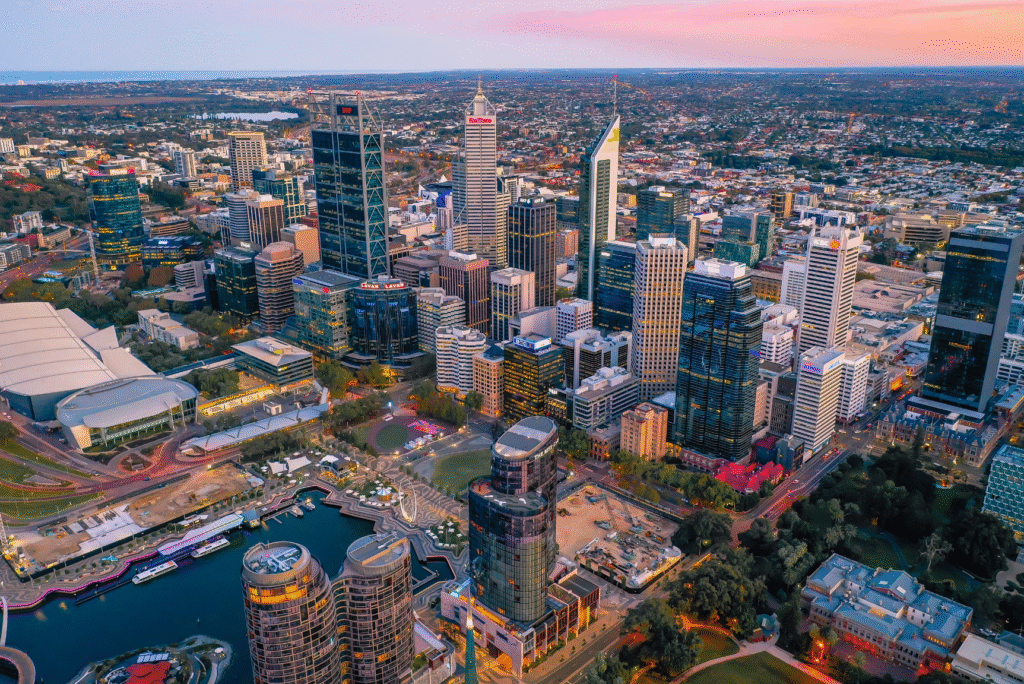
Western Australia (WA) 🌅
Natural Disaster Risks
WA experiences bushfires, severe storms, flooding in northern regions, and cyclones in the northwest. The state has extensive bushfire-prone areas.
Core Safety Requirements
- Mandatory Registration System: New system requires safety compliance before listing
- Safety Equipment: Fire extinguishers, first aid kits, and smoke alarms
- Evacuation Plans: Visible emergency instructions for guests
Natural Disaster-Specific Measures
- Bushfire Safety:
- DFES (Department of Fire and Emergency Services) approved bushfire plans
- Bushfire emergency kit including P2 masks for smoke protection
- Property maintenance including fuel load reduction
- Storm Preparedness:
- Severe weather emergency kit
- Secure outdoor area for furniture storage
- Emergency contact information including local SES
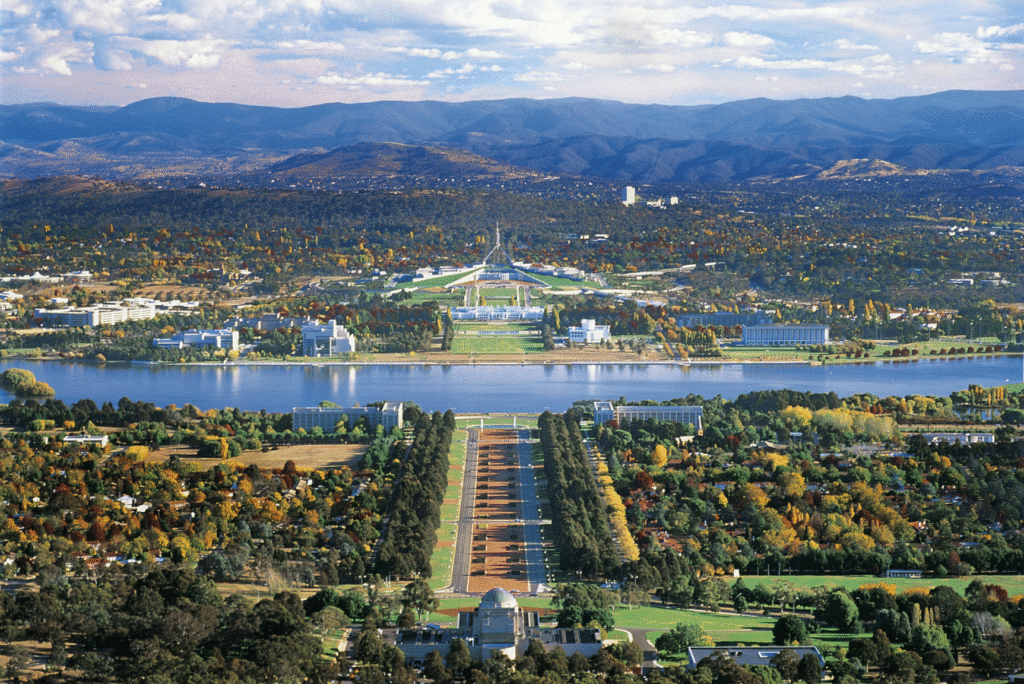
Australian Capital Territory (ACT) 🏛️
Natural Disaster Risks
ACT faces significant bushfire risks, severe storms, and occasional flooding.
Core Safety Requirements
- Fire Safety Standards: Comprehensive fire safety measures required
- Emergency Preparedness: Detailed emergency plans for guests
Natural Disaster-Specific Measures
- Bushfire Safety:
- ACT Emergency Services Agency approved plans
- Bushfire emergency kit
- Property maintenance following ACT guidelines
- Severe Weather:
- Emergency contact information including ACT SES
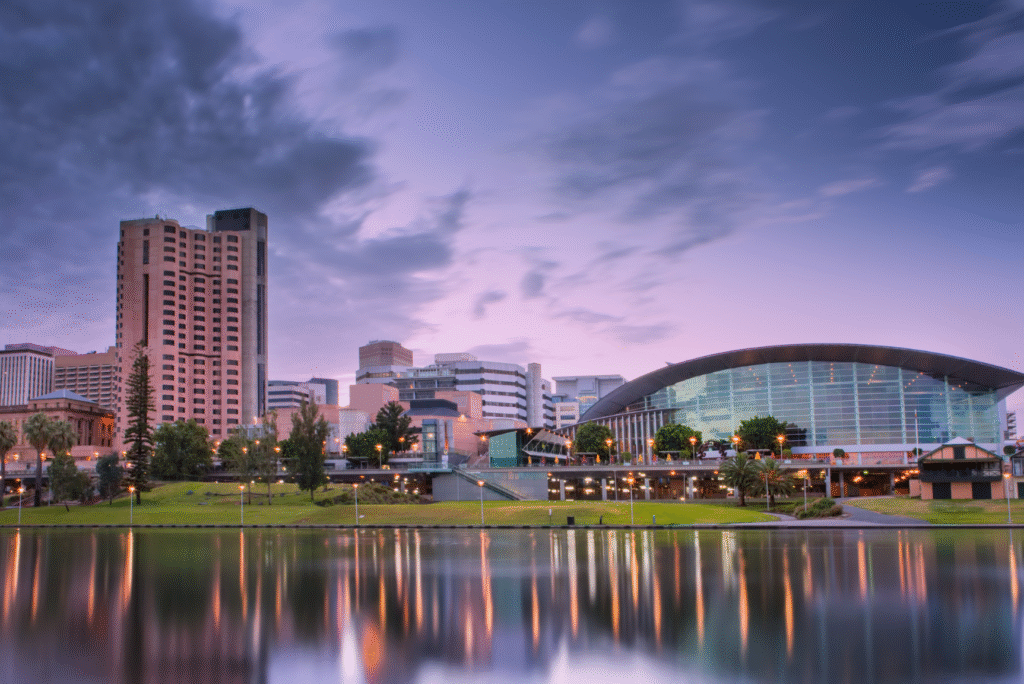
South Australia (SA) 🍷
Natural Disaster Risks
SA experiences significant bushfire risks, particularly in the Adelaide Hills and regional areas, along with flooding and severe storms.
Core Safety Requirements
- Building Code Compliance: Structural safety standards adherence
- Guest Safety Measures: Emergency contact information and evacuation plans
Natural Disaster-Specific Measures
- Bushfire Safety:
- CFS (Country Fire Service) approved bushfire survival plans
- Bushfire emergency kit including emergency radio
- Property maintenance following CFS guidelines
- Defensible space maintenance
- Flood Preparedness:
- SES emergency contact information
- Flood emergency procedures for properties in flood-prone areas
Tasmania (TAS) 🏔️
Natural Disaster Risks
Tasmania faces bushfire risks, flooding, and severe weather events. The island’s unique geography creates localised weather patterns requiring specific preparations.
Core Safety Requirements
- Annual Permit System: Strict safety requirements for permit renewal
- Mandatory Safety Equipment: Fire extinguishers and smoke alarms required
- Heritage Considerations: Special rules in heritage-listed areas
Natural Disaster-Specific Measures
- Bushfire Preparation:
- Tasmania Fire Service approved evacuation plans
- Bushfire emergency kit with battery radio
- Property maintenance including vegetation management
- Flood Safety:
- SES contact information and emergency procedures
- Flood emergency kit for properties in flood-prone areas
- Severe Weather:
- Emergency supplies for potential isolation during severe weather
- Backup heating source for winter emergencies
Documentation Requirements
- Annual permit renewal with updated safety documentation
- Heritage area compliance certificates where applicable

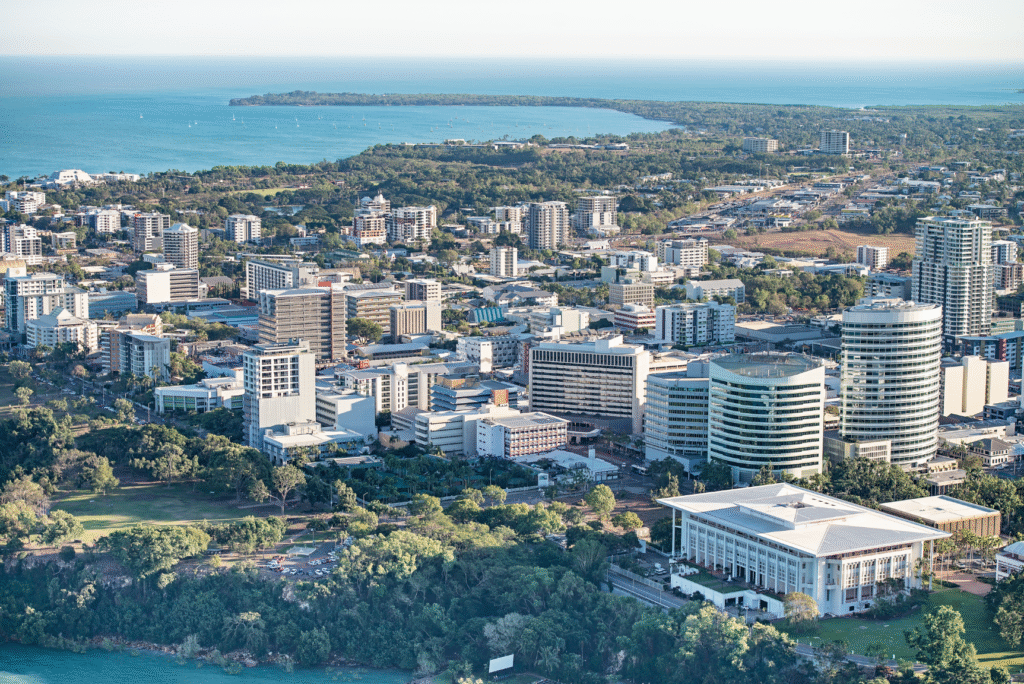
Northern Territory (NT) 🌵
Natural Disaster Risks
NT faces cyclones, severe storms, flooding during wet season, and bushfires during dry season.
Core Safety Requirements
- Basic Safety Standards: Smoke alarms and fire safety equipment
- Seasonal Considerations: Wet season (October-April) and dry season preparations
Natural Disaster-Specific Measures
- Cyclone Preparation:
- Cyclone emergency kit with battery radio and supplies
- Secure storage for outdoor furniture
- Emergency water storage
- Wet Season Safety:
- Flood emergency procedures
- Road closure information access
- Bushfire Readiness:
- Bushfire emergency plan for dry season
- Property maintenance including grass and vegetation management
Universal Safety Recommendations 🎯
Essential Equipment for All States
- Smoke Alarms: Photoelectric, hard-wired where possible, tested monthly
- Fire Extinguishers: Minimum 1kg dry powder, annual servicing
- First Aid Kit
- Emergency Radio: Battery-powered with weather alerts
- Torch and Batteries
Documentation Requirements
- Emergency contact lists (police, fire, ambulance, SES, local emergency services)
- Evacuation route maps
- Property-specific emergency procedures
Guest Communication
- Welcome booklet with emergency procedures
- Visible emergency contact information
- Clear evacuation route signage
- Local hazard information and seasonal warnings
Conclusion
Safety doesn’t have to be complicated — it just takes a bit of planning and preparation! By prioritising compliance, documentation, and guest well-being, you’re setting yourself up for success as a short-term rental host in Australia.
Happy hosting! 🏡✨