Hey there, hosts! 👋
If you’ve ever found yourself cleaning up after a wild guest or dealing with someone who just doesn’t respect your rules, you’re not alone. Hosting can be an amazing experience, but every now and then, we encounter guests who make us wonder why we signed up in the first place. Don’t worry—this guide is here to help you navigate those tricky situations and protect your property, your sanity, and the broader hosting community.
From prevention strategies to reporting problem guests, you’ll find everything you need to handle bad guests like a pro. Plus, we’ll introduce you to DoNotHost.me, a community-driven tool that makes guest screening and reporting a breeze.
Ready? Let’s dive in.
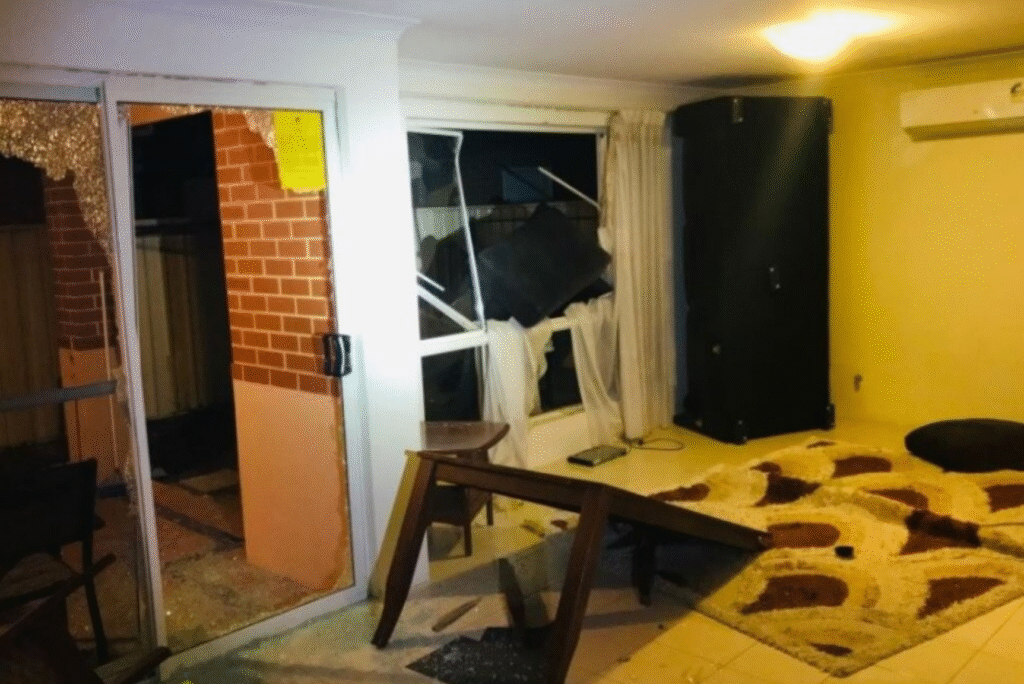
Prevention Is Key
The best way to deal with bad guests is to avoid them altogether. Prevention is your first line of defense, and with the right tools and strategies, you can greatly reduce the chances of hosting problematic guests.
Here’s how:
Smart Guest Screening 🔍
Before accepting a booking, take time to vet your potential guests. Combining traditional methods with quick-check tools like DoNotHost.me gives you the best chance of spotting red flags early.
Quick Check Tool – DoNotHost.me:
- Search guest history in seconds.
- View community reports and warnings from other hosts.
- Spot potential issues before they happen.
- Report bad guests quickly to protect others in the hosting community.
Traditional Screening:
- Review profiles thoroughly (if using Airbnb)
- Read past guest reviews carefully.
- Look for verified IDs and complete profiles.
- Pay attention to communication—polite, clear messages are always a good sign!
Pro Tip: Use both DoNotHost.me and traditional screening methods for a double layer of protection.
We would also like to point out the obvious flaw here – not all booking platforms allow us to confirm the booking, and most platform don’t have guest profiles that we can check. But this is precisely why DoNotHost.me exists!
House Rules That Work 📋
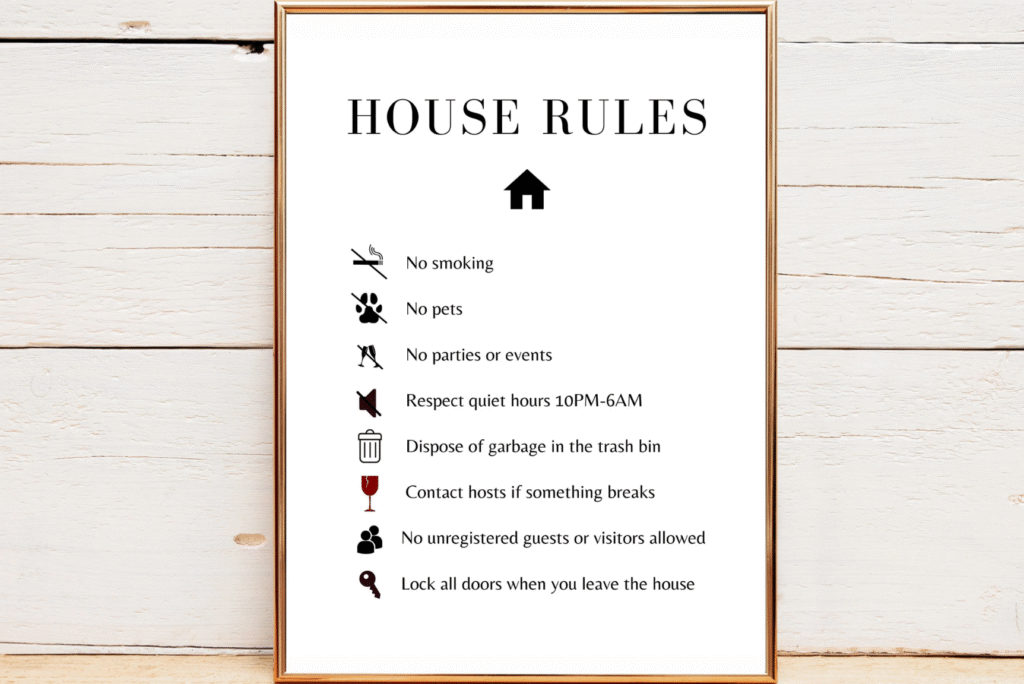
Clear house rules can prevent misunderstandings and discourage rule-breakers before they arrive. Make sure your rules cover:
- Noise restrictions (especially if you live in a quiet neighbourhood).
- Parking guidelines.
- Guest limits (e.g., maximum occupancy).
- Party policies (say no if it’s not your thing!).
- Smoking and pet rules.
Don’t be afraid to write out seemingly “obvious” rules, either. It’s only too common that some guests do the most ridiculous things, because “we didn’t say they couldn’t”.
Your Pre-Stay Chat 💬
Communication is key! Use your pre-stay chat to reinforce house rules and set expectations for their stay.
- Respond quickly and be friendly but firm.
- Confirm check-in details and house rules.
- Remind guests about local laws or regulations (e.g., noise curfews).
- Provide emergency contacts for peace of mind.
Before Guests Arrive 🏠
Set yourself up for success by documenting your property before each stay:
- Do a quick walk-through video of your space, highlighting valuable items or areas prone to damage.
- Take clear photos of everything, especially furniture and appliances.
- Update your inventory checklist regularly.
Hot tip: If you work with a housekeeper, ask them to take a quick video of the accommodation once they’ve finished cleaning. It will only take a minute of their time, and will provide you with the invaluable proof to counter the famous, “it was already like that when I arrived”.
What to Do When Things Go Wrong
Even with the best prevention strategies, you might still encounter a problematic guest. Here’s how to handle the situation step by step:
Document Everything 📝
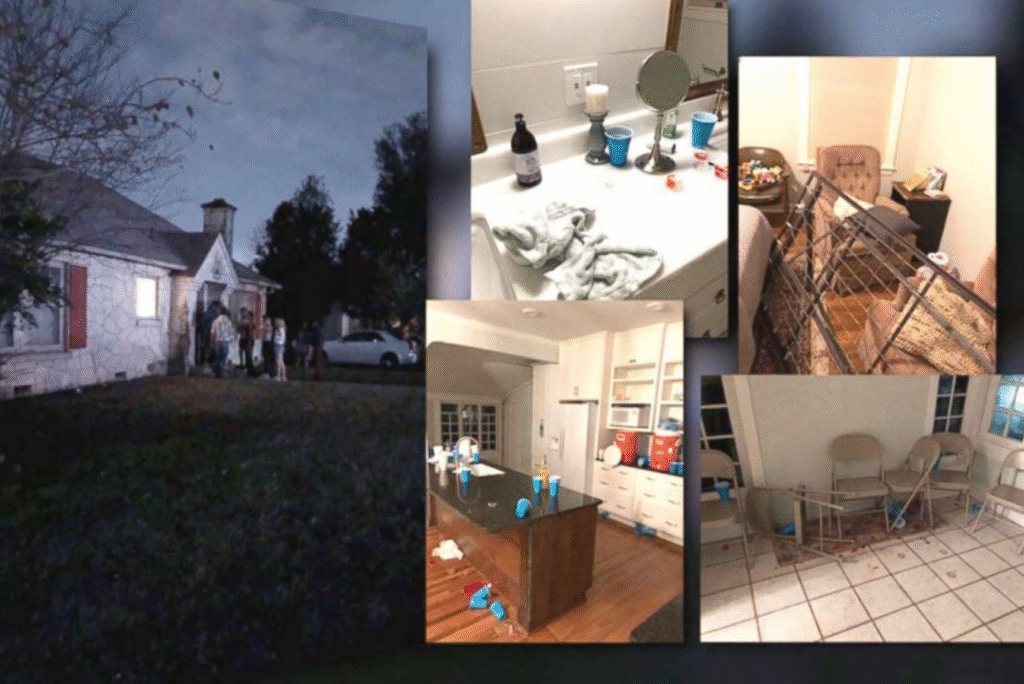
Good documentation is your best friend when dealing with bad guests. Start collecting evidence as soon as you notice an issue:
- Take photos or videos of any damage (use good lighting and timestamps).
- Screenshot all communication with the guest (through the booking platform, email, text if applicable).
- Write down what happened while it’s fresh in your mind.
If you’re dealing with an emergency, remember to call 000 immediately.
If it’s not an emergency, you can progress to the below steps:
Report the Issue
Step 1: Quick Community Alert 🚨
Head over to DoNotHost.me and use the super-simple reporting form—it takes less than a minute! This helps warn other hosts about problematic guests while everything is still fresh in your mind.
Step 2: Official Report Process 🏢
If applicable, use Airbnb’s Resolution Center to report damages or other issues.
- Log into your Airbnb account and find the guest’s reservation.
- Click “Request compensation for damages.”
- Follow the prompts—it’s pretty straightforward.
Have your listing details ready and explain the situation clearly.
If the guest used another platform to book, you can follow the below steps:
- Blacklist the guest on your property management system (PMS), such as RMS or Guestline, to ensure this guest cannot book your property again.
- Reach out to the booking platform support (Booking.com, Expedia, etc.) to inform them of the incident, and inform them you do not wish to host this guest again. Make sure you screenshot this, so that if this guest does ever come through again, you have some proof to dispute their booking.
Step 3: Claim Deposit for Damages 💰
If you collected a deposit from your guest, secure this to pay for any damages (if applicable). Guests will often dispute this, however with the clear evidence you collected in Step 1, you shouldn’t have anything to worry about.
If you didn’t take a deposit – start!
Prevention = Peace of Mind
At the end of the day, prevention is always better than cure—and tools like DoNotHost.me make it easier than ever to screen guests and report issues quickly when needed. By combining smart guest screening, clear communication, and thorough documentation, you’ll be well-equipped to handle anything that comes your way as a holiday host!
So go ahead—take control, protect your property, and keep hosting those dream guests who make it all worthwhile!
Happy hosting! 🏠✨